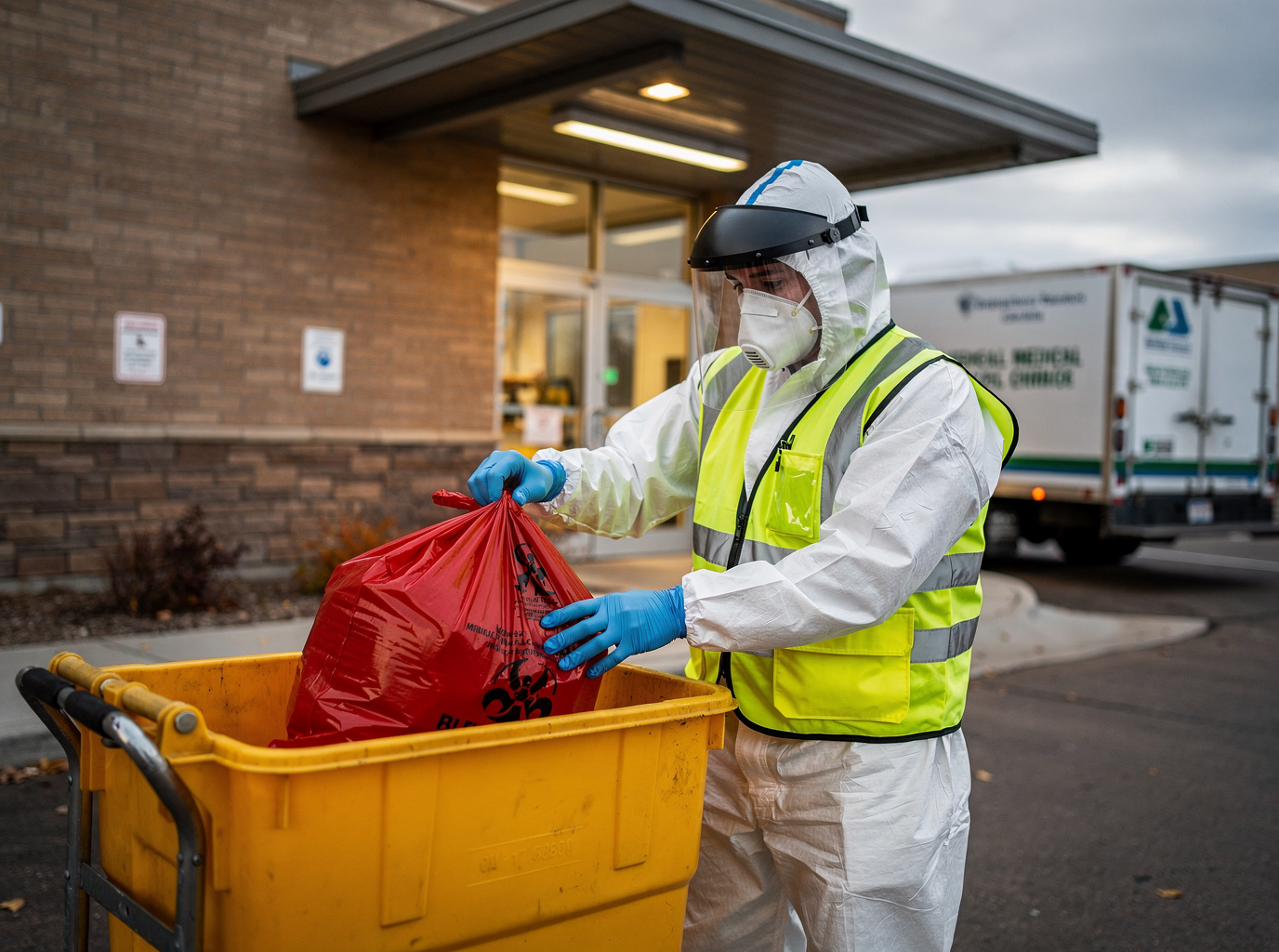
In St. Francois County, infectious waste often stems from older housing stock where plumbing failures or storm damage allow blood and bodily fluids to seep into subfloors and crawl spaces. Severe thunderstorms common in the humid continental climate can flood basements, spreading pathogens through soil and standing water that lingers due to clay-heavy terrain. Removal requires double-bagging, HEPA filtration during extraction, and neutralization of porous materials like drywall that absorb contaminants faster in high humidity.
Edge cases include waste mixed with storm debris in rural properties outside Bismarck, where access roads wash out and delay containment. Regulations require segregation by waste type before transport, and crews must account for cold winter temperatures that freeze fluids, making scraping and lifting more labor-intensive without fracturing containers. Hot summers accelerate bacterial growth, so jobs demand rapid response to prevent airborne spread in poorly ventilated older homes common throughout the county.
Technicians verify container integrity on-site because punctured sharps or leaking bags from unattended medical situations create secondary exposure risks on gravel driveways typical in the area. All removed materials are tracked from 1025 Center Dr through licensed disposal channels, with post-clean verification using ATP testing to confirm surfaces meet safety thresholds after exposure to floodwaters or seasonal moisture.
Technician insight
In Bismarck, the thing that catches most people out with Infectious Waste Removal is how quickly summer storm runoff mixes with waste in the clay soil around older homes near Center Drive, turning a contained spill into a broader excavation job before we even arrive.
Storm-Damaged Property Waste
Heavy rains flooded a basement in Bismarck, spreading medical waste through standing water. We found saturated insulation and flooring holding fluids that had migrated into the crawl space. Crews contained the area, removed the materials, and disinfected before winter freeze set in, restoring the space without further spread.
Infectious Waste Removal Services We Offer
✓Sharps Container Disposal
Safe collection and removal of used needles and syringes from residential and small medical sites to prevent puncture injuries during handling.
✓Bloodborne Pathogen Cleanup
Targeted extraction of blood and fluid residues from floors and fixtures, followed by disinfection to eliminate viral and bacterial risks.
✓Medical Waste Transport
Secure packaging and delivery of bagged infectious materials from Bismarck properties to approved facilities outside St. Francois County.
✓Contaminated Linen Removal
Bagging and disposal of soiled fabrics and bedding that carry pathogens, reducing cross-contamination in living spaces.
✓Laboratory Waste Disposal
Handling of petri dishes, cultures, and chemical-contaminated items from home labs or clinics with proper segregation protocols.
How it works
- 1
Initial Assessment
Technician evaluates the waste type, volume, and spread while documenting conditions at the Bismarck property.
- 2
Containment Setup
Barriers and PPE zones are established to isolate the area before any materials are moved.
- 3
Material Removal
Waste is double-bagged, labeled, and loaded using protocols suited to local terrain and weather.
- 4
Surface Disinfection
Affected areas receive targeted cleaning and verification to restore safe conditions.
- 5
Final Documentation
Chain-of-custody records are completed and provided to the property owner.
Pricing
Upfront quotes based on volume, accessibility, and waste type after 24/7 dispatch.