2026-10-16 ·
Safe Removal of Wildlife Droppings from Attics and Crawl Spaces
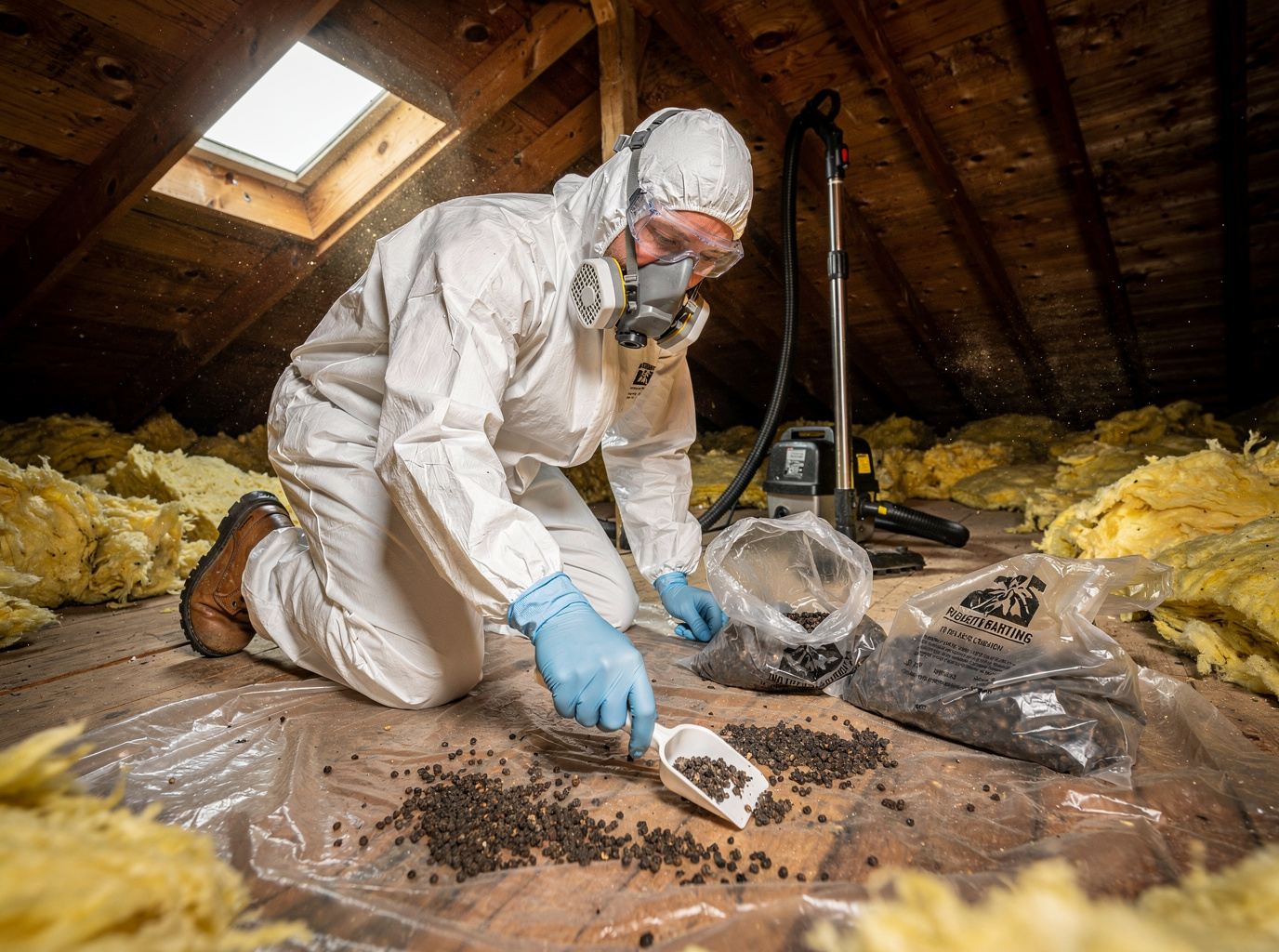
Safe removal of wildlife droppings from attics and crawl spaces starts with full personal protective equipment and controlled containment to limit airborne particles, followed by HEPA vacuuming and EPA-registered disinfectants that neutralize pathogens on contact. In St. Francois County homes, older attics and crawl spaces often trap moisture from frequent severe storms, which softens droppings and increases mold risk alongside bacterial growth.
Health Hazards from Wildlife Waste in Local Homes
Rodent and bat droppings in Bismarck attics carry hantavirus and histoplasmosis spores that become aerosolized during disturbance. Cold winters drive animals indoors for warmth, while hot summers accelerate decomposition and odor issues in poorly ventilated spaces. Homeowners in neighborhoods around 1025 Center Dr encounter these problems more often in structures built before 1970, where gaps in siding and rooflines allow easy entry. Professional biohazard protocols limit exposure by sealing HVAC returns first and using negative air machines during extraction.
Preparing for Removal in St. Francois County Conditions
Assess the infestation size before entry by inspecting insulation and rafters for concentrated piles, noting any water staining from spring storms that may have spread contaminants into wall cavities. Wear Tyvek suits, full-face respirators with P100 filters, and boot covers to avoid tracking material through living areas. In Park Hills or nearby Farmington properties, high humidity after storms means extra time for drying surfaces before disinfection begins. Gather heavy-duty trash bags, enzyme cleaners, and a shop vacuum with HEPA filtration rated for biohazards.
Step-by-Step Extraction Process
- Isolate the space by taping plastic sheeting over access points and shutting down HVAC systems. 2. Vacuum loose droppings with a HEPA unit, emptying the canister outside into sealed bags. 3. Scrape adhered material from wood or insulation using plastic tools to prevent dust. 4. Apply disinfectant in layers, allowing 10-minute dwell times between coats. 5. Remove and bag contaminated insulation in 6-mil bags for proper disposal. Each step accounts for the terrain around Bismarck where crawl spaces sit low to clay-heavy soil that retains moisture and slows drying.
Disinfection and Post-Cleanup Verification
After extraction, fog the attic or crawl space with an EPA-approved virucide effective against enveloped viruses common in wildlife waste. Test surfaces with ATP swabs if visible residue remains, confirming readings below 50 RLU before reinstalling insulation. In homes near Desloge or Leadwood, repeat treatments may be needed after heavy rains that reintroduce moisture through foundation cracks. Replace removed insulation with R-38 material suited to Missouri winters to reduce future condensation that attracts pests.
Prevention Tailored to Bismarck Weather Patterns
Seal entry points with steel wool and expanding foam rated for exterior use, focusing on eaves and foundation vents exposed to frequent storms. Install ridge vents with mesh screens to improve airflow without inviting bats during cold months. Trim tree limbs within 6 feet of roofs to limit squirrel access. For ongoing issues after sewage backups from spring rains, review Handling Sewage Backup After Heavy Spring Rains in Bismarck to understand combined moisture and waste risks. When droppings indicate larger animal activity, consider Infectious Waste Removal protocols that align with the same containment standards.